Silicone Baking Molds vs Metal Baking Trays: Pros & Cons
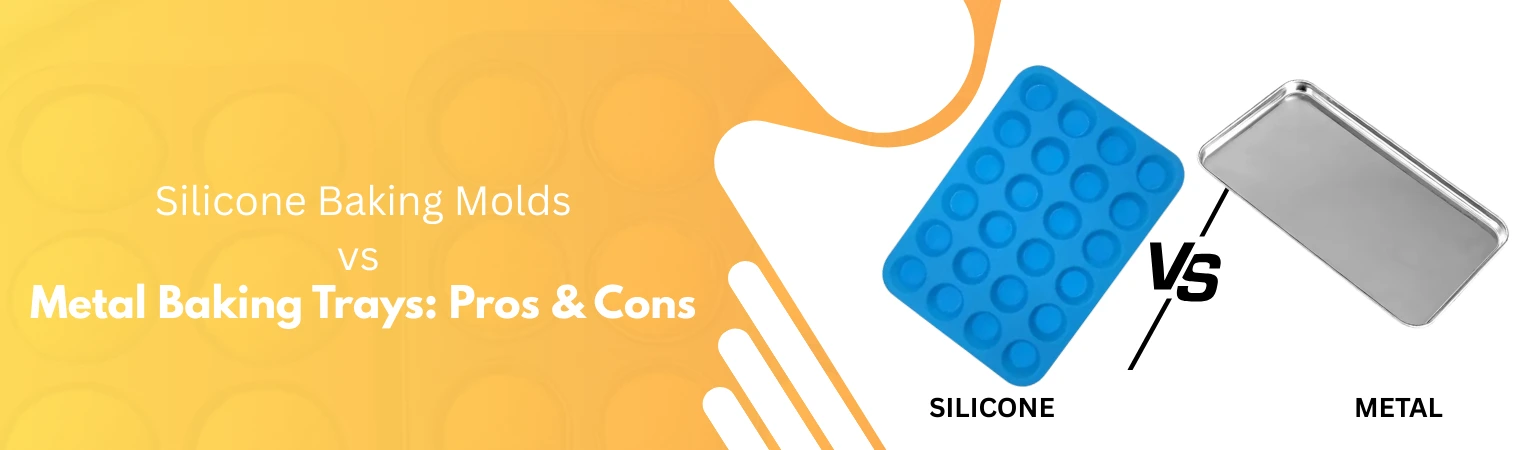
One needs to know the merits of silicone baking molds vs metal options. Silicone provides colourful flexibility while metal provides traditional reliability. The choice affects texture, cooking time, and final presentation.
Modern kitchens often contain many baking products. The new silicone products keep gaining popularity among home baking enthusiasts. The traditional metal pans still dominate professional bakeries for good reasons.
What Are Silicone Baking Molds?
The kitchen changed forever when silicone baking molds became available to home bakers. These colourful products are made from food-grade silicone rubber. Their flexibility makes removing baked goods super easy without damage. Most quality molds handle heat up to 450°F without melting or warping. Everything from standard cupcake mold shapes to intricate design are available on the market.
Many bakers choose these molds for minimal greasing. Simply flexing the mold usually pops out finished treats without fuss. Their lightweight design means easy storage in crowded kitchen drawers and they also last for years with proper care.
- Kitchen-Friendly Colours: Brighten cooking spaces with vibrant hues
- Dishwasher Safe: Easy cleanup after baking sessions
- Odour Resistant: Won't absorb food smells like some materials
- Freezer to Oven: Versatile temperature range handling
- Space-Saving Storage: Stacks or folds to maximise drawer space
What Are Metal Baking Trays?
The traditional baking relies heavily on sturdy metal trays that withstand serious kitchen action. These classics come in aluminium, steel, or tin versions with distinct benefits. Their rigid design maintains perfect shape during high-heat applications above 500°F. Most kitchens contain at least one flat cookie sheet or a shaped loaf pan.
Metal weight ensures that there is excellent conduction of heat to achieve good results in baking. To ensure that there is no sticking problem, manufacturers usually use non-stick treatments or coatings. Brown foods cook quicker on the dark metal as compared to the silver, which is light.
- Fine ageing: Prevents warping during repeated baking cycles
- Heats Efficiently: Maintains the same consistency in cooking
- Kitchen Staple: Essential tray for everyday baking needs
- Scratch-Resistant: Durable surface resists scratches and wear

What are the Best Uses of Molds?
Silicone works best for:
Silicone is the best for complex shapes. Their gentle release mechanism protects delicate structures during unmolding.
- Muffins and cupcakes: Many standard muffin shapes come out perfectly from silicone cups without paper liners. The textured sides create professional-looking treats with minimal effort.
- Chocolate molds: The intricate chocolate designs release cleanly due to the silicone's flexibility and smooth surface. Temperature resistance allows quick cooling in refrigerators without warping.
- Ice trays and frozen treats: The silicone bakeware advantages become obvious when making frozen desserts or fancy ice. The popsicles slide out easily without running under warm water first. The ice shapes make regular drinks more fun and interesting.
- Soft cakes and breads: Soft cakes and decorative bread forms maintain fine details in silicone molds. The flexible material prevents sticking in tight corners. The quick breads retain moisture without hardened edges.
- Jello and mousse: Wobbly desserts unmold perfectly without breaking or sticking to the sides. The non-porous surface prevents liquid from seeping or staining the mold. Gelatin works are sharp and well-defined when well-chilled.
Metal Works Best For:
The metal pans are used in high-heat applications due to their sturdiness. Their excellent heat conductivity creates specific textures.The bakers use special metal pans for consistent results.
- Cookies needing crisp edges: The direct heat transfer from metal creates perfectly crispy cookie edges. Fast temperature response prevents underbaking or overcooking tender centres. Metal sheets support proper spreading during the baking process.
- Sheet pan dinners: One-pan meals require even heating that metal delivers consistently. The sturdy bottom supports heavy ingredients without bending or warping. The sides contain juices from roasting meats and vegetables.
- Crusty breads and rolls: The bread bakers use heavy metal pans to make breads and rolls. Professional-quality crusts form best on preheated metal surfaces with steam. Also the thermal mass maintains steady temperatures throughout baking cycles.
- Brownies with chewy edges: The perfect brownie texture depends on proper edge formation and caramelisation. Metal corners create the prized chewy edge pieces everyone fights over. The defined shape ensures even portion cutting after cooling.
- Roasting veggies: Caramelisation happens beautifully on metal's hot surface for vegetables. The shallow sides allow proper air circulation for crispy exteriors. The heavy-gauge pans prevent warping under high roasting temperatures.
Many manufacturers now create innovative designs combining the best features from both worlds. The decision is entirely based on certain baking requirements and taste.

Why Choose Food Safe Silicone Molds?
At Food Safe Silicone Molds, we are driven by core values that guide our business and define our commitment to our clients.

Expertise and Experience - With years of experience in the food grade industries, we have the expertise to deliver custom-designed solutions that meet the most demanding requirements.
High-Quality Products - Our lenses are made from high-quality materials, ensuring durability, clarity, and long-lasting performance.
Custom Solutions - We specialize in providing tailored Food Safe Silicone Molds solutions that meet the unique needs of our clients.
Exceptional Customer Service - We provide end-to-end support, from initial consultation to post-delivery assistance, ensuring our clients are delighted with the results.
.webp)
Metal excels with items needing browning and crisp edges. Silicone is the best when making delicate or intricately shaped treats. Most experienced bakers eventually invest in both types. Manufacturers rely heavily on these two materials. Metal utensils now come with better non-stick coatings. Silicone products have stronger rims for easier handling.
Contact our team at +1 917-730-4350 for honest advice based on what you're making. We can help you decide which material works best for your specific recipes. Email us at info@foodsafesiliconemolds.com with details about your baking requirements, and we'll provide personalized recommendations for your kitchen.