Heat Resistance in Silicone Molds: Temperature Limits & Performance
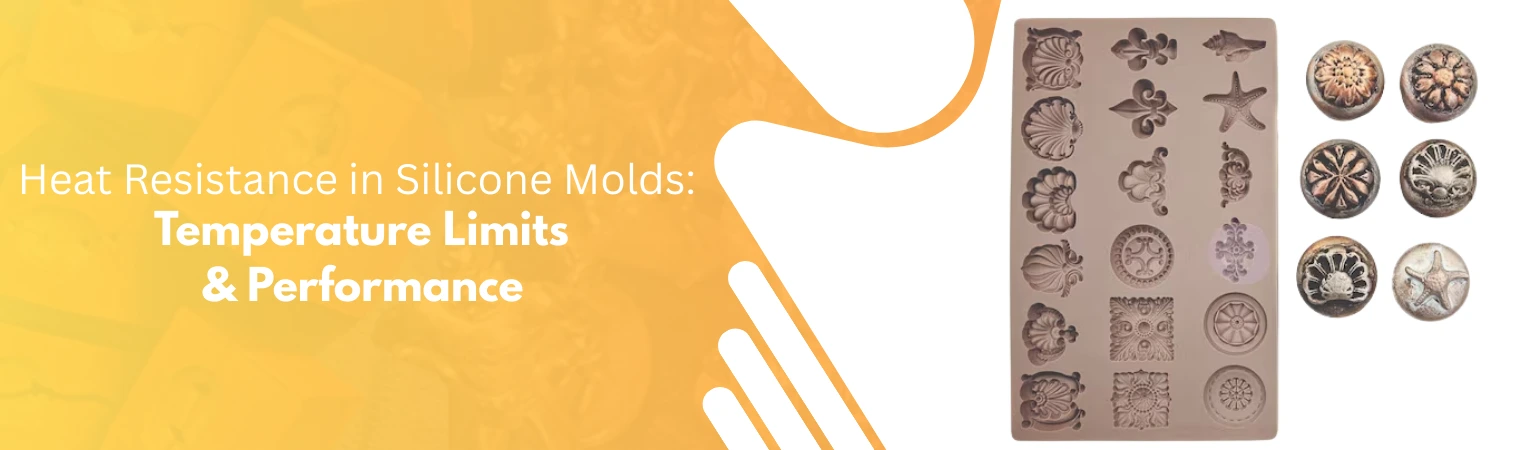
Silicone molds have become essential in many creative fields. The heat resistant silicone molds outperform plastic alternatives.
Silicone can withstand high temperatures due to its molecular structure. In essence, it is made up of long chains of silicon and oxygen atoms that are strongly bonded. These bonds are very stable even when the material is exposed to high temperatures for a long time. Instead of releasing, the material remains flexible. The platinum-cure silicone is capable of withstanding higher temperatures than the tin-cure ones.
Types of Silicone and Heat Resistance Ratings
The heat resistant silicone molds perform differently under various temperatures. Some handle the oven's intense heat while others work better for freezer applications.
1. Food-Grade Silicone
The food-grade silicone withstands temperatures from -40°F to 446°F. This range makes it the best for both freezer storage and baking projects. Most home bakers find this type sufficient for regular cooking needs. The material stays flexible and maintains its shape through repeated heating cycles. Many cookware companies reinforce their products with special additives for durability.
2. Industrial Silicone
The industrial variants push the limits and handle up to 600°F without breaking down. These special formulations contain different polymers that resist extreme conditions. Manufacturing processes often require this level of thermal protection.
3. Platinum-Cure Silicone
The premium platinum-cure silicone outperforms tin-cure versions in heat situations. The molecular structure creates stronger bonds between silicone chains.

Factors Affecting Silicone Heat Performance
Many elements influence the performance of the silicone in the various high temperature ranges. You can consider these critical aspects before placing any silicone in high-heat situations.
- Material Quality: The high-grade silicone contains fewer impurities and a more consistent composition. Pure silicone withstands heat better than products with fillers. The manufacturing process greatly affects overall heat resistance. The premium products undergo stricter quality control during production.
- Wall Thickness: The thick molds distribute heat more evenly across the surface. Thin areas may overheat while thick sections remain stable. Many manufacturers vary the thickness for optimal performance.
- Exposure Duration: The heat contact affects silicone differently than sustained exposure. Short baking cycles cause less stress than continuous high heat. Many industrial applications often specify maximum continuous exposure limits.
- Age Factor: The old silicone gradually loses its heat-resistant properties over time. The heating cycles accelerate this ageing process. Any small cracks develop microscopically before becoming visible. The new molds generally perform better in high-heat situations.
- Additive Content: The fillers can either enhance or reduce heat tolerance. Some additives improve flexibility but lower temperature resistance. Others specifically increase thermal performance but affect flexibility.
5 Signs of Heat Damage in Silicone
You can recognise the heat damage early, which saves time and prevents cooking disasters. The silicone doesn't fail suddenly but shows progressive warning signs.
1. Discoloration Issues
Yellowing or darkening indicates molecular changes within the silicone structure. This colour shift often starts subtly at edges or thin sections. The change might seem merely cosmetic but it signals more serious damage.
2. Brittleness Development
The good silicone feels flexible and returns to original shape when bent. The heat-damaged pieces feel stiff and resist normal flexing movements.
3. Texture Transformation
The texture is expected to be smooth and uniform throughout the entire mold. Any bumpy or rough spots or sticky spots indicate degradation of heat.
4. Shape Distortion
Properly made silicone holds its original shape even after heating. Warping or permanent deformation indicates excessive heat exposure. The mold might sag, twist or develop bulges in certain areas.
5. Release Problems
The high quality silicone molds make the baked products free of stickiness. This adhesive becomes less effective due to heat damage. The non-stick properties deteriorate progressively with heat exposure.
How to Use Silicone Molds Safely with Heat?
Most damage happens through avoidable user errors or misconceptions. The material performs remarkably well when handled correctly.
Direct flame contact creates extreme heat spots that exceed temperature limits. Always place silicone on cookie sheets or other heat-distributing surfaces.
Operating near maximum temperature ratings constantly accelerates ageing effects. Staying 50°F below the maximum rating significantly extends usable life. This material is less stressed and retains its properties for a long time.
Large or heavy molds need additional support when heated properly. Unsupported areas bend excessively due to the softening effect of heat.
Applications by Temperature Range
Silicone can be used in many fields. These ranges help select the right product:
1. Low Heat Applications
- Chocolate Making: Temperatures rarely exceed 120°F during melting and molding processes. Silicone performs exceptionally well for chocolate designs and decorations. The flexibility allows easy removal without damaging delicate shapes.
- Soap Making: Cold-process methods stay well within silicone's comfort zone. The hot-process techniques remain below 180°F during production. The material resists the caustic nature of soap ingredients.
- Resin Crafting: Most resins generate heat during curing but stay under 200°F. Silicone withstands both chemical exposure and heat generation. The intricate details are recreated clearly in finished pieces.
2. Medium Heat Applications
- Standard Baking: Cakes, cookies and muffins will normally bake at 325-350° F. Silicone works well within these normal temperature ranges. The elasticity enables food to release easily without sticking.
- Candle Making: During pouring, the melting temperature of the wax is usually between 130-180 °C. The material can work under these temperatures without degrading or warping.
3. High Heat Applications
- Artisan Bread: The use of crusty breads may need temperatures of up to 450°F. These conditions are resisted by the high grade silicone formulations. This material comes out very easily even when working with sticky dough.
- Special Confections: Sugar work can also have exposure to high temperatures of around 320°F in short durations. Good silicone can withstand these high temperatures and heating processes. Its non-stick qualities avoid crystallisation of sugars on the surfaces of molds.

Why Choose Food Safe Silicone Molds?
At Food Safe Silicone Molds, we are driven by core values that guide our business and define our commitment to our clients.

Expertise and Experience - With years of experience in the food grade industries, we have the expertise to deliver custom-designed solutions that meet the most demanding requirements.
High-Quality Products - Our lenses are made from high-quality materials, ensuring durability, clarity, and long-lasting performance.
Custom Solutions - We specialize in providing tailored Food Safe Silicone Molds solutions that meet the unique needs of our clients.
Exceptional Customer Service - We provide end-to-end support, from initial consultation to post-delivery assistance, ensuring our clients are delighted with the results.
.webp)
The right material choice depends entirely on your specific needs. The silicone revolution continues bringing better products to market regularly. Manufacturing techniques ensure more consistent results across production batches.
Contact our experts at +1 917-730-4350 for advice on picking the right temperature-stable molds. If you prefer email, send your questions to info@foodsafesiliconemolds.com and we'll help you find silicone products that can handle your specific heating and cooling needs.