Food Grade Silicone vs Plastic Molds: Which Is Better for Food Products?
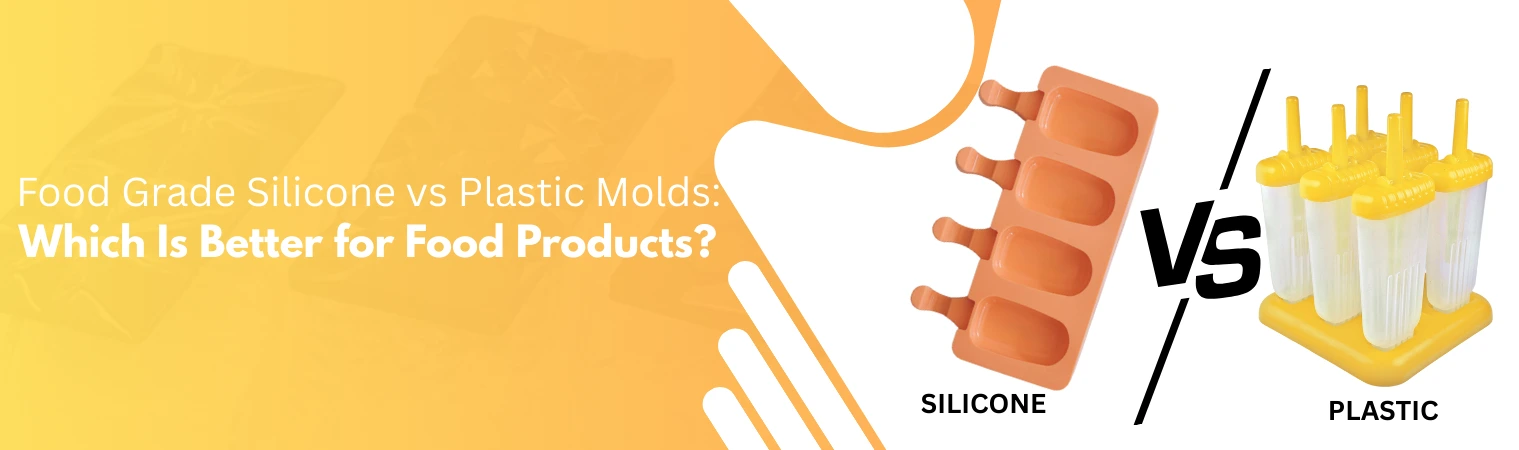
The home bakers and professional chefs face an important choice between materials. The debate over silicone vs plastic molds continues in kitchens worldwide. Both options have carved their place in food preparation methods. Silicone is a flexible alternative to traditional plastic options. The bendable nature makes removing finished products remarkably easy. Many bakers switch after experiencing stuck cakes or broken chocolates.
The non-porous surface resists bacterial growth between uses. The cleanup requires minimal effort with either hot water or a dishwasher. The food manufacturers increasingly choose silicone for commercial applications.
What is Food Grade Silicone?
The food grade silicone comes from a unique blend of natural elements. This flexible material combines silicon, oxygen, carbon, and hydrogen atoms. The result feels like rubber but performs much better with foods.
The manufacturers create it through a special process using platinum catalysts. This ensures the finished product meets strict FDA requirements for food contact. The non-porous surface prevents bacteria from finding hidden places to grow.
Many home cooks now prefer silicone for baking and freezing foods. The material stands out because it doesn't react with temperature changes. Silicone vs Plastic Molds become an important choice when considering long-term kitchen investments.
- Heat distribution occurs evenly throughout silicone products
- Colours remain stable even after hundreds of uses
- Odours don't linger in properly cleaned silicone
- Dishwasher safe for convenient cleaning
- Environmentally friendly with a longer usable lifespan
What are Food Grade Plastics?
The food grade plastics include several common types used in kitchens everywhere. Polypropylene offers good heat resistance for many cooking tasks. Polyethene works well for storage but less for heating. Polycarbonate provides clarity but raises some health problems.
The best food plastics carry specific ratings and safety certifications. Many people specifically seek BPA-free options for peace of mind. The rigid structure helps maintain specific shapes during food preparation. Different plastics offer varying levels of transparency and flexibility.
- Manufacturing processes determine plastic quality and safety
- Recycling codes indicate the plastic type used
- Microwave-safe ratings vary between plastic types
- Staining can occur with certain foods
Food silicone mold comparison shows clear differences in durability
| Baking Application | Silicone Score (1–5) | Plastic Score (1–5) |
|---|---|---|
| Bread Loaves | 4 * | 5 |
| Cupcakes / Muffins | 5 | 3 |
| Cake Pans | 4 | 4 |
| Detailed Chocolates | 5 | 2 |
| Ice Cubes / Popsicles | 5 | 4 |
| Jelly / Gelatin Molds | 4 | 5 |
| Pie Crusts | 3 | 5 |
| Cookie Shapes | 4 | 4 |
Factors To Know Which One Is Better?
1. Temperature Resistance Comparison
Silicone handles extreme temperatures that would destroy most plastics. You can move silicone directly from the freezer to the oven without worry. The material stays stable from minus forty degrees to well above boiling point. This makes silicone perfect for recipes needing dramatic temperature changes.
Plastic molds typically have much narrower temperature ranges. Most perform well at refrigerator or room temperatures. Problems start when heating above boiling point becomes necessary. The structure can warp, melt or release unwanted compounds. Many plastics become brittle when frozen for extended periods.
The bakers particularly value silicone's versatility across temperature extremes. The candy makers appreciate how silicone releases hard caramels without sticking. The thermal insulation feature will imply that you will not have to use different molds in diverse cooking techniques.
2. Safety and Chemical Leaching
The fact that silicone is inert gives one a sense of security when preparing food. The material is difficult to break even in cruel conditions. This stability implies low chances of entry of undesired chemicals into food. This is a significant safety measure that professional kitchens prefer to use silicone.
Plastic molds might release tiny amounts of their compounds. This happens especially when heating or with acidic foods. The potential migration of chemicals concerns many health-conscious cooks. BPA receives the most attention, but other compounds exist. The new plastic formulations address many of these historical concerns.
The bacterial growth patterns differ significantly between these materials. The microorganisms do not have a place to hide in silicone which has a smooth surface. The scratched plastics can harbour bacteria in minute microscopic grooves and cuts.

3. Flexibility and Food Release
The process of unmolding is changed in a complete manner by the high level of flexibility of silicone. The material peels away from delicate cakes without breaking them. This gentle release preserves intricate details in special desserts. Many complex shapes become possible that plastic simply cannot match.
The plastic provides structural support that benefits certain food applications. Rigid molds maintain precise shapes during filling and setting. This helps when making foods that must hold specific forms. Many professional settings use plastic when absolutely straight edges matter.
Many sticky foods highlight the differences between these materials most dramatically. Caramels, gummies, and fruit jellies release easily from silicone. The plastic requires extensive greasing or flouring to prevent sticking.
These two materials are useful in contemporary food preparation. The choice of the best option has to be based on your needs. You can take into consideration the temperature needs, the type of food and the intended outcomes.

Why Choose Food Safe Silicone Molds?
At Food Safe Silicone Molds, we are driven by core values that guide our business and define our commitment to our clients.

Expertise and Experience - With years of experience in the food grade industries, we have the expertise to deliver custom-designed solutions that meet the most demanding requirements.
High-Quality Products - Our lenses are made from high-quality materials, ensuring durability, clarity, and long-lasting performance.
Custom Solutions - We specialize in providing tailored Food Safe Silicone Molds solutions that meet the unique needs of our clients.
Exceptional Customer Service - We provide end-to-end support, from initial consultation to post-delivery assistance, ensuring our clients are delighted with the results.
.webp)
Silicone excels when temperature flexibility matters most in recipes. The material transitions smoothly between freezer and oven without damage.
The plastic molds are the best for cold or room temperature applications. The firm structure helps maintain exact shapes during setting. The cooks often start with plastic before upgrading later. Some traditional recipes actually perform better in rigid containers.
Call us at +1 917-730-4350 for honest advice about what works best for your food products. Our experts can explain the pros and cons of each material for your specific needs. Email info@foodsafesiliconemolds.com with questions.