LFGB vs FDA Silicone: What’s the Difference & Which One Is Safer?
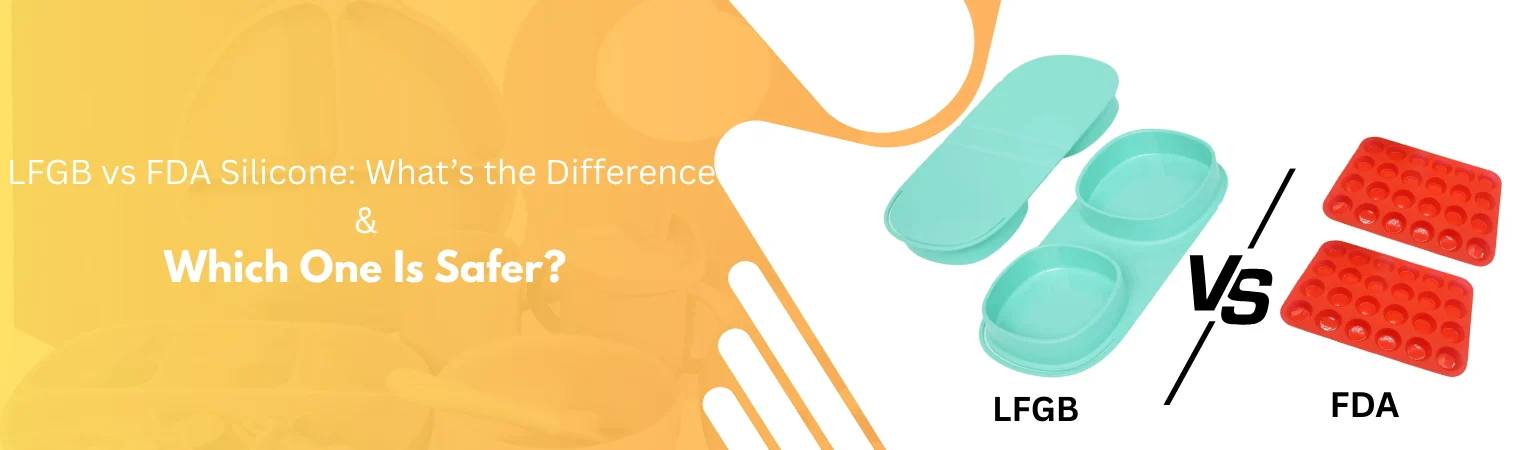
Silicone kitchen products have taken over modern cooking spaces everywhere. Their heat resistance makes them perfect for baking and cooking. Many people choose silicone for its non-stick properties and easy cleaning.
German LFGB and American FDA represent the main safety standards. These certifications check if silicone products remain safe during use. A reliable custom silicone gummy molds manufacturer must meet at least one standard. The certification logos appear on packaging and marketing materials.
The debate about which standard provides better protection continues to grow. The manufacturers' experts often recommend products with stricter certifications.
What is LFGB Certification?
The German food safety standard LFGB sets strict rules for kitchen products. This was created back in 2005 and focuses on materials that touch our food. The full name, Lebensmittel und Futtermittelgesetzbuch, translates to Food and Feed Code.
Many consider it the gold standard for silicone safety testing worldwide. The certification process examines products for potentially harmful chemicals and heavy metals.
LFGB testing is more than safety checks for silicone products. Testing labs subject samples to extreme conditions mimicking applications scenarios. They check if any chemicals might transfer to food during normal use. The standard specifically looks for zero leaching of harmful substances into food. The products must pass rigorous tests involving high temperatures and various food simulations.
The thorough nature of LFGB silicone vs FDA silicone testing makes it reliable. Many companies seeking this certification must invest in quality materials from the start. The certification ensures silicone products remain stable even when exposed to chemicals and oils. The testing also verifies that colours won't fade or transfer during regular use.

What is FDA Certification?
The FDA certification serves as America's primary food contact safety standard. This regulatory framework helps ensure basic safety for silicone products. The U.S. Food and Drug Administration oversees this certification process.
Many manufacturers must demonstrate that their products meet specific safety requirements. The standard focuses primarily on declaring materials "food grade" for consumers.
FDA testing examines a more limited range of potential health concerns. The certification process mainly checks if materials are generally safe and non-toxic. Testing protocols look at chemical composition and potential leaching. The products must contain food-safe materials according to FDA guidelines. The certification represents a minimum safety threshold for American consumers.
The kitchen product manufacturers often seek FDA approval as their first step. The process involves submitting material safety data sheets for review.
Once approved, companies can market their silicone products as food-safe. The standard applies to everything from spatulas to baking molds. American consumers frequently look for food safe silicone certification labels when purchasing silicone molds.
FDA Certification Basics
- Establishes minimum safety requirements for food contact
- Focuses on material composition rather than extensive testing
- Requires self-certification from manufacturers
- Allows for reasonable migration of certain substances
- Applies to products sold in U.S. markets
Which is Safer for Consumers?
The LFGB certification offers more comprehensive protection for everyday cooks. Its testing protocols check for more potential hazards than FDA standards. German labs put products through much more rigorous testing scenarios. The standard examines silicone behaviour under various cooking conditions.
FDA certification provides adequate safety for most basic kitchen needs. The standard ensures silicone products won't cause immediate health concerns. The American manufacturers can meet these requirements without extensive testing. Many products with FDA approval work well for room temperature applications.
High-heat cooking applications benefit from LFGB certified silicone products. Baking molds and oven mitts face extreme temperature changes regularly. The German standard specifically tests products under these conditions. Many products passing LFGB tests rarely release chemicals when heated.
The products used with acidic foods should ideally have LFGB certification. Tomato-based sauces, citrus, and vinegar can break down inferior silicone. The German standard specifically tests resistance to these ingredients. Products passing these tests maintain their integrity during repeated use. Their chemical stability prevents unwanted flavours from transferring to food.
The best silicone products often carry both certifications for maximum safety. Manufacturers sometimes pursue multiple certifications to broaden market appeal.

Why Choose Food Safe Silicone Molds?
At Food Safe Silicone Molds, we are driven by core values that guide our business and define our commitment to our clients.

Expertise and Experience - With years of experience in the food grade industries, we have the expertise to deliver custom-designed solutions that meet the most demanding requirements.
High-Quality Products - Our lenses are made from high-quality materials, ensuring durability, clarity, and long-lasting performance.
Custom Solutions - We specialize in providing tailored Food Safe Silicone Molds solutions that meet the unique needs of our clients.
Exceptional Customer Service - We provide end-to-end support, from initial consultation to post-delivery assistance, ensuring our clients are delighted with the results.
.webp)
LFGB certification generally provides stricter safety rules than the FDA. Its testing catches more potential problems with silicone. The German standard specifically tests for many additional chemicals. Its reputation makes it preferred by health-conscious cooks worldwide. Many premium brands highlight this certification on their packaging.
Both certifications ensure basic safety for regular kitchen use. Neither standard would approve truly dangerous silicone products. The FDA certification works fine for many everyday items. Most Americans find that FDA-approved products meet their cooking needs. The basic safety level satisfies requirements for casual home cooks.
Your cooking habits should guide which certification matters most. The high-heat baking benefits from the stricter LFGB standards. The room temperature storage containers work fine with FDA approval.
Want the safest silicone molds for your food business? Contact us at +1 917-730-4350 to learn about our products that meet both LFGB and FDA standards. We believe in providing the highest level of safety for our customers. Email info@foodsafesiliconemolds.com for detailed information about our safety testing and certifications for all our silicone molds.